June 15, 2026 · Sabrina Obnamia
Supporting Literacy at Home: How Daily Reading Routines Help Your Child Thrive
Reading is one of the greatest gifts we can give children.
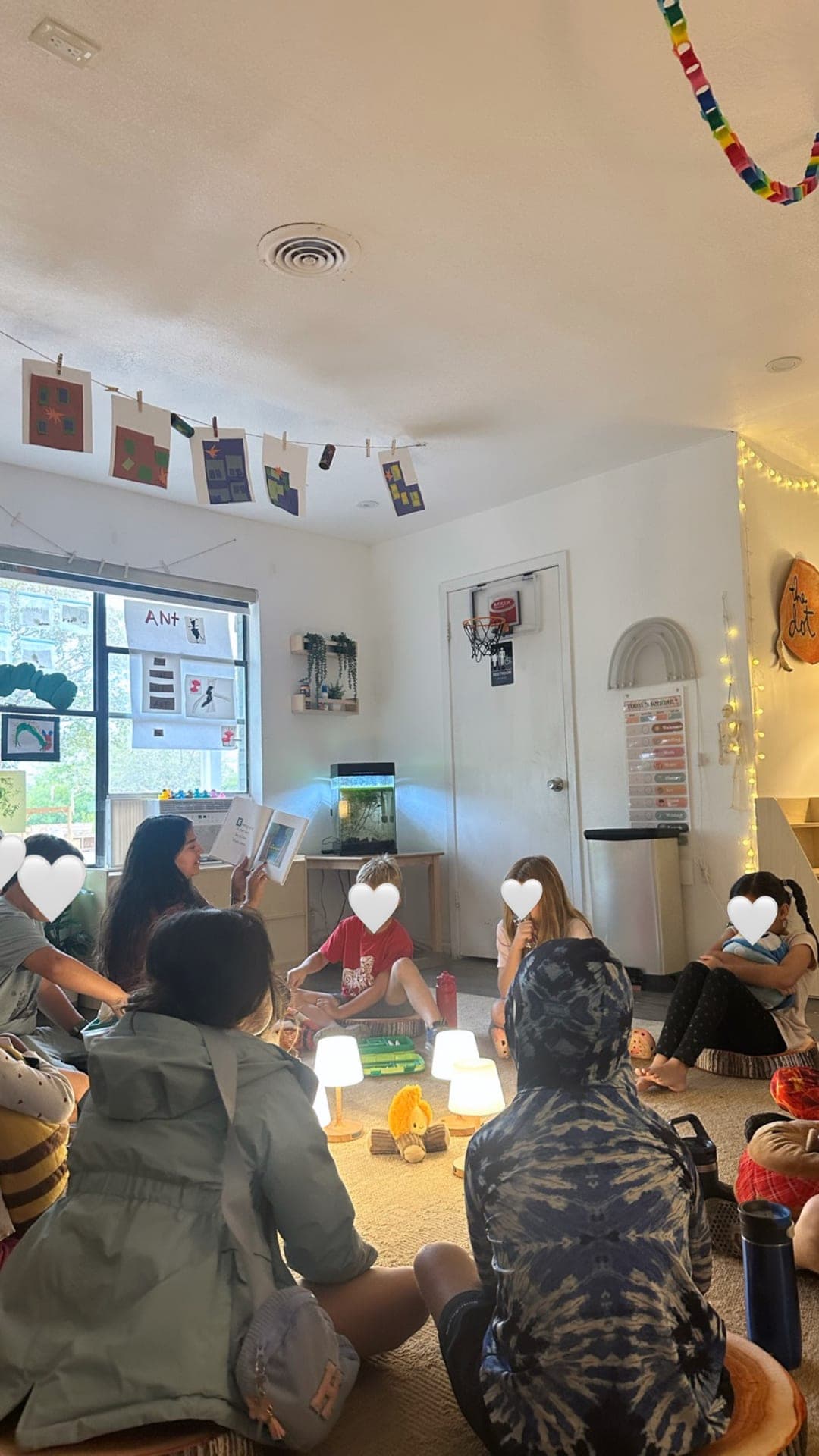
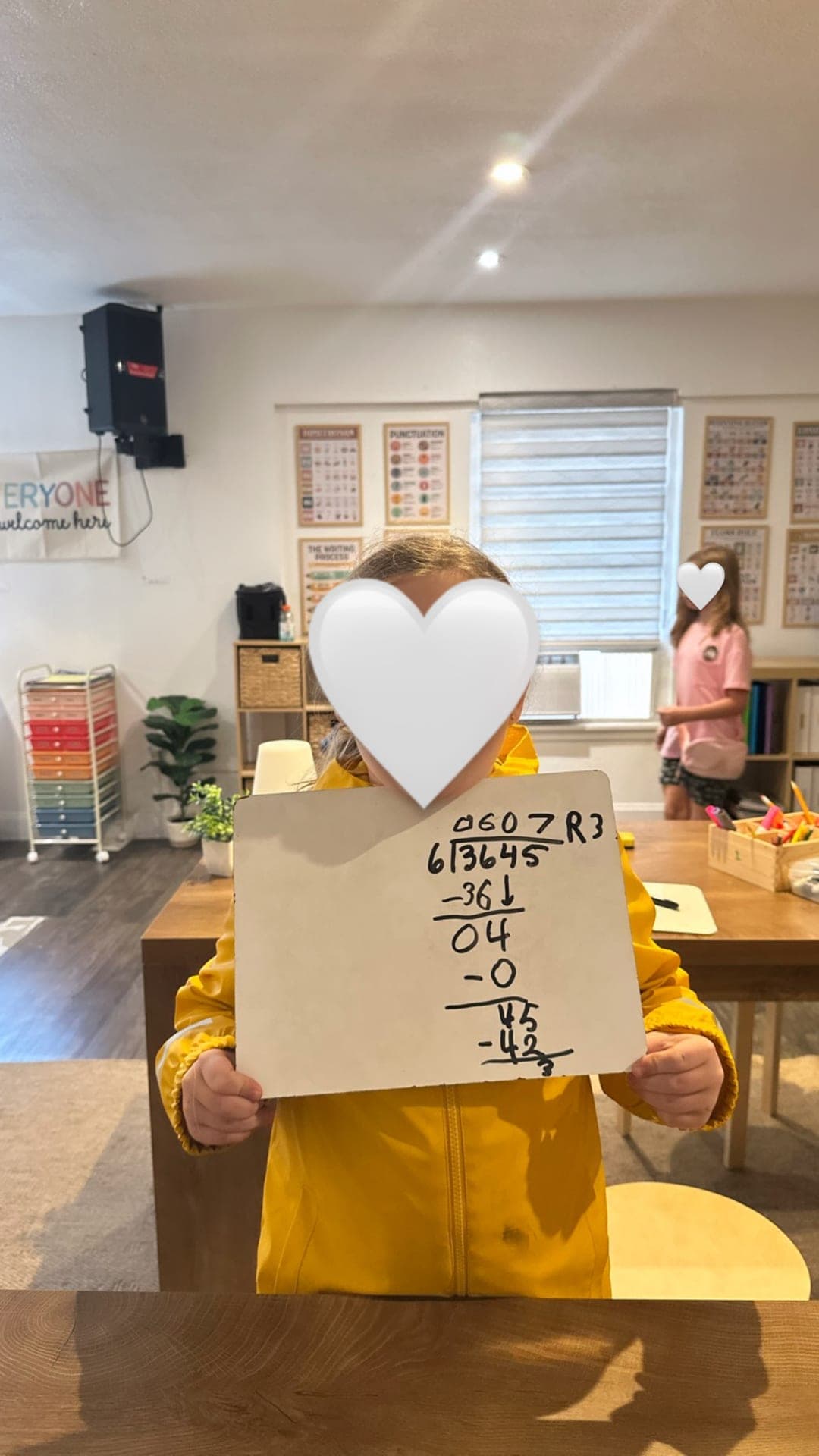
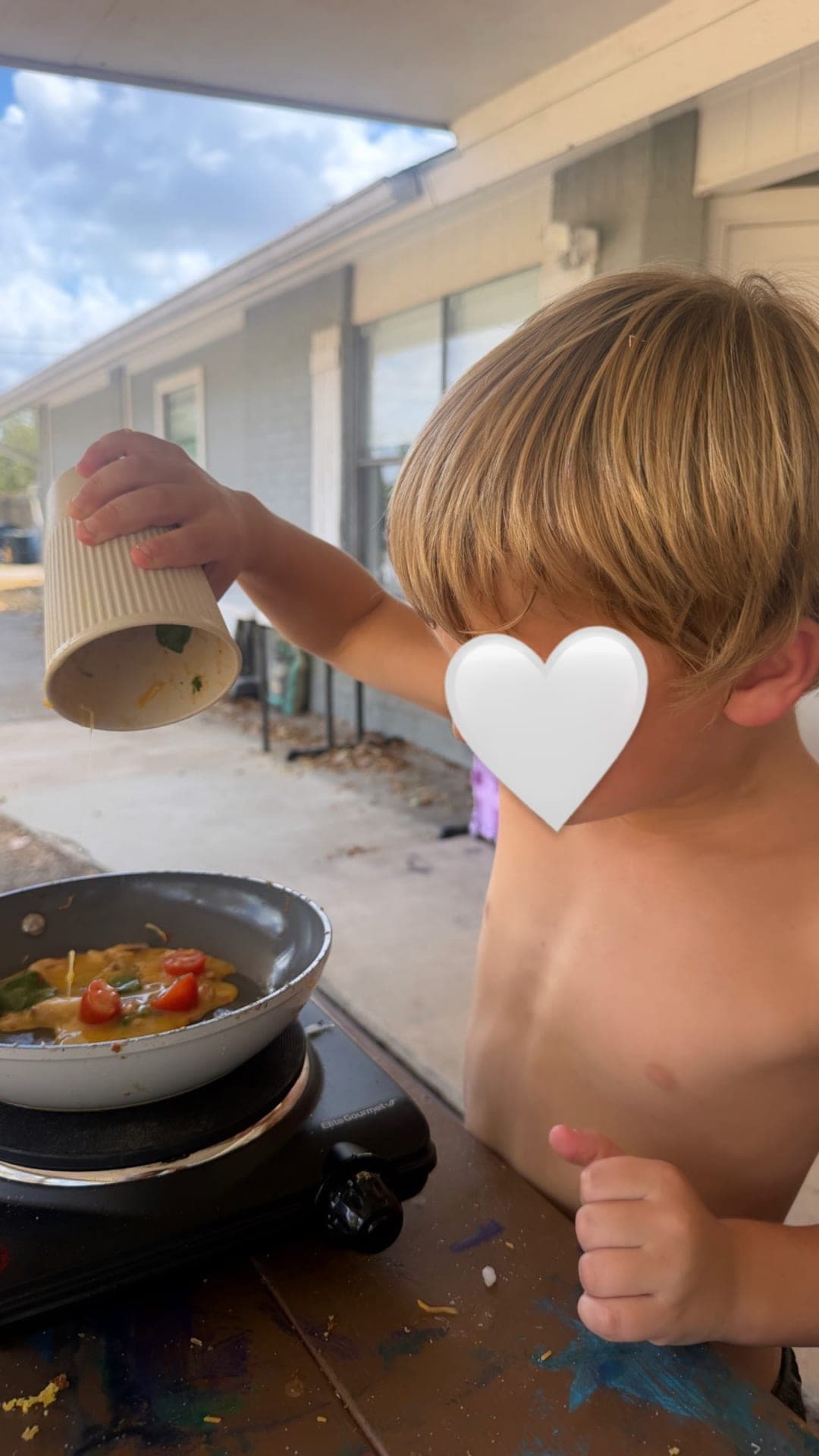
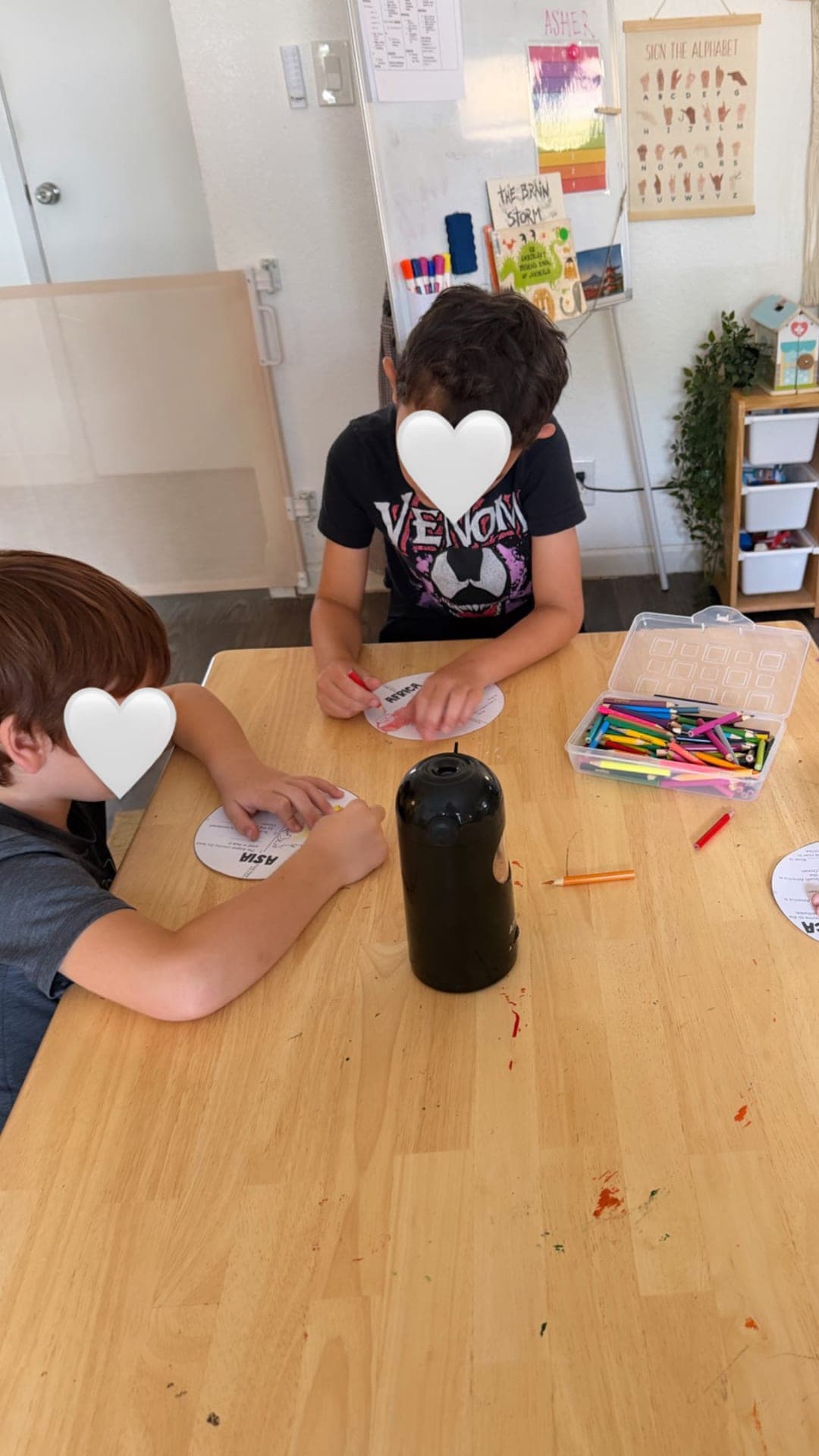
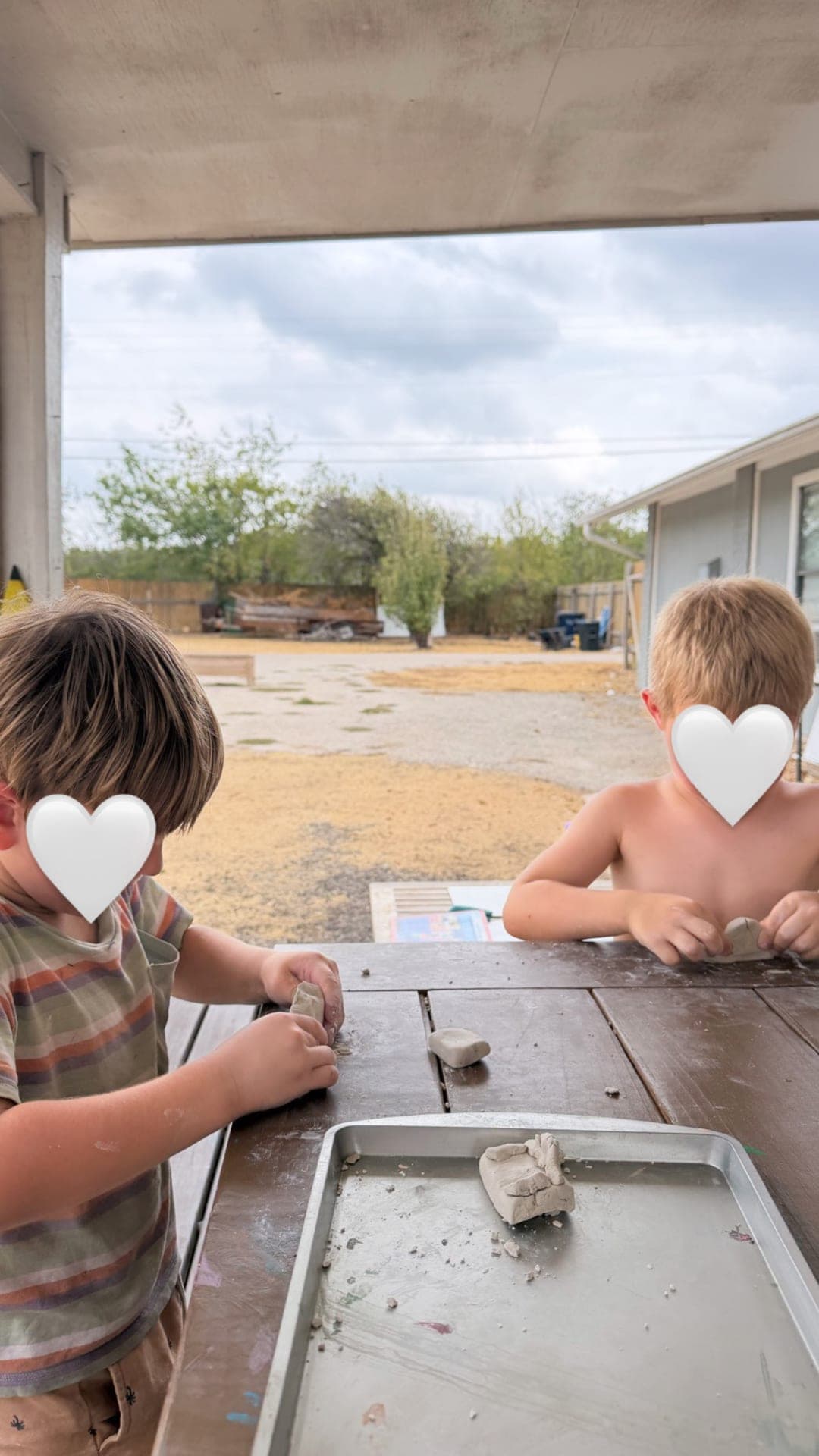
At Sage Field, we spend most of our days learning through hands-on experiences, exploration, rich discussions, creativity, movement, and meaningful learning opportunities. When families are also supporting literacy at home, it allows students to dive even deeper into literature, explore new concepts more richly, strengthen comprehension, and grow into confident lifelong learners.
One of the BEST ways to support your child’s literacy at home is through simple daily reading routines.
Why Supporting Literacy at Home Matters
Learning to read is about so much more than sounding out words. When children experience strong reading habits both at school and at home, they:
- Build stronger comprehension and critical thinking
- Expand their vocabulary and background knowledge
- Grow in confidence as readers and communicators
- Learn to connect stories to their own real-world experiences
At Sage Field, our outdoor-based, hands-on approach means children are constantly connecting what they read to projects, play, and exploration. When families create consistent reading routines at home, it amplifies everything they experience at school.
A Simple Daily Reading Routine That Works
We encourage students and families to:
- Read aloud for at least 20 minutes each day
- Be read to daily by an adult
That can look like:
- Snuggling up with a picture book before bedtime
- Listening to a chapter book after dinner while kids draw or build quietly
- Keeping a book in the car and reading a few pages while waiting in a pickup line
The specific time of day doesn’t matter as much as the consistency. The goal is for reading with your child at home to become a natural, enjoyable part of your family rhythm—not another item on your to-do list.
How to Choose Just-Right Books for Reading Aloud
When reading to your child, choose books that are up to TWO grade levels above their independent reading level. Hearing advanced vocabulary, richer sentence structure, and stronger storytelling helps build:
-
Reading fluency
-
Vocabulary
-
Listening comprehension
-
Critical thinking skills
-
Background knowledge
You might think of it like this: independent reading is for practice; being read to is for stretch and enrichment.
However, going too far above their level can become frustrating and difficult to truly understand. It’s similar to an adult reading a medical handbook. We may be able to physically read the words, but not fully comprehend the meaning. The sweet spot is a book that stretches their thinking and language, while still being understandable and enjoyable with your support.
Practical Tips for Reading With Your Child at Home
Here are a few simple ways to make supporting literacy at home feel doable and meaningful:
- Let your child help choose the book
- Children are more engaged when they’ve had a say in what you’re reading together.
- Use your voice and facial expressions
- Change your tone for different characters, pause for suspense, and react to surprising or funny moments.
- Pause to talk about the story
- Ask open-ended questions like, “What do you think might happen next?” or “Why do you think that character felt that way?”
- Connect the book to real life
- Point out connections between the story and your child’s experiences, nature walks, projects, or interests.
- Keep it relaxed and relationship-centered
- If your child is tired or wiggly, keep it short and sweet. Even 10–15 minutes of warm, connected reading time is valuable.
The goal is to gently stretch their thinking while still allowing them to understand and enjoy the story.
How Sage Field Partners With Families in Raising Readers
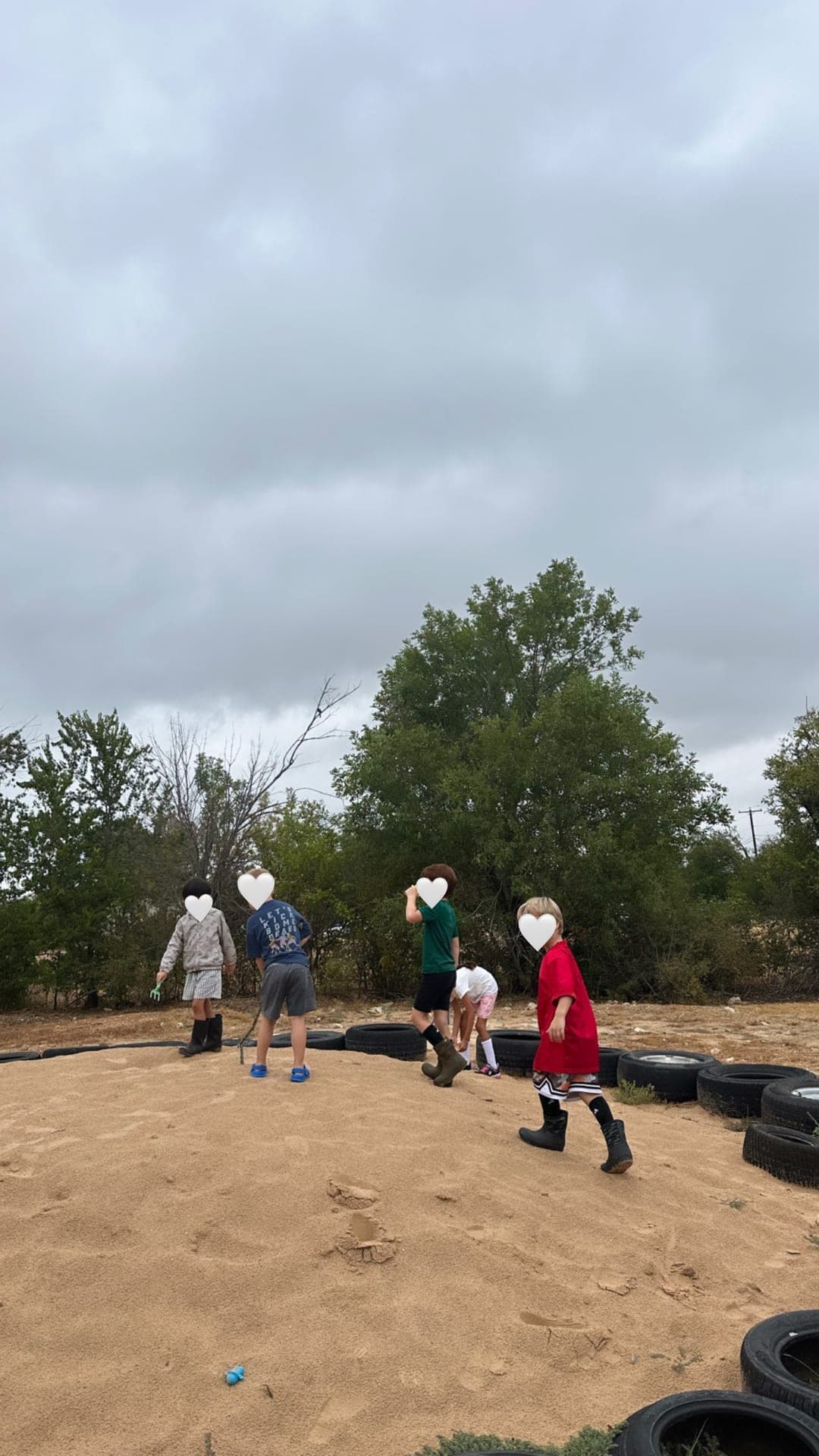
At Sage Field, we weave literacy into an entire day of hands-on, outdoor-based learning so that reading never exists in isolation. Children might:
- Read or listen to stories connected to a nature walk, art project, or science exploration
- Discuss books in small, mixed-age groups that honor different perspectives and levels
- Use reading and writing as tools in projects, research, and real-world problem solving
Our outdoor-focused microschool in Round Rock serves ages 4–11 and blends Montessori, Waldorf, and Reggio-inspired approaches with TEKS-aligned academics and strong social-emotional learning. We keep groups small so we can truly know each child, support emerging readers with intention, and challenge advanced readers with deeper texts and conversations.
When families are supporting literacy at home through daily reading routines, children are able to step into our learning environment ready to make even richer connections.
Want a School That Supports Literacy at Home and at School?
If you’re looking for a school that partners with you in raising a confident, curious reader—rather than just pushing levels—we’d love to connect with your family.
Sage Field is an outdoor-focused private microschool in Round Rock, Texas, serving ages 4–11. We combine:
-
Hands-on, nature-rich learning
-
Small, relationship-centered groups
-
Individualized academic support in reading, writing, and math
-
A calm, nurturing environment where children can truly be themselves
If supporting literacy at home and at school is important to you, we’d love to talk about whether Sage Field is the right fit for your child.
You can learn more about our programs and submit a quick application here: https://www.sagefield.co/apply
Spots are intentionally limited to keep our groups small and connected, so if Sage Field sounds like what you’ve been searching for, this is a great time to reach out and explore enrollment.