June 15, 2026 · Sabrina Obnamia
The Joy of Slow: Why Kids Learn Better When We Stop Rushing School
Why do I need to rush my students to finish their work just to get to snack at exactly 10:30?
Why do I need to interrupt deep engagement just to fit my ideal schedule?
I don’t.
I’ve learned there is value in walking slower, sitting still, and paying attention. One of the greatest advantages of a small school is that we don’t have to rush childhood. We have the opportunity to truly know each child, adapt to their needs, personalize learning, and create an environment where every student feels seen, valued, and capable.
We Don’t Have to Rush Childhood
Building this school has allowed me to create a culture centered around what I call the “joy of slow.”
Slow does not mean lazy.
Slow does not mean lowering expectations.
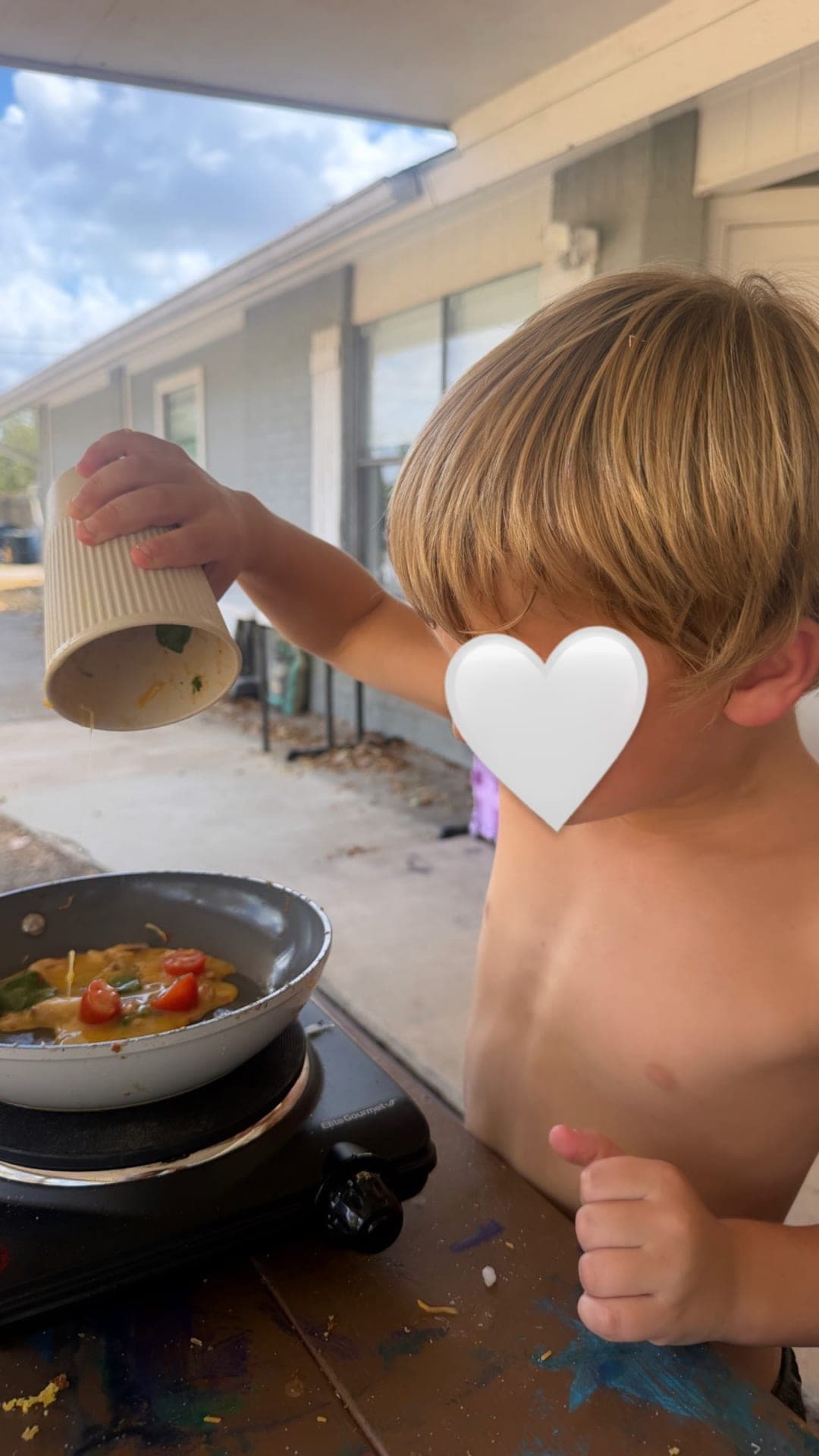
Slow means making space for curiosity, wonder, deep conversations, meaningful work, and the small moments that often get overlooked.
In many traditional settings, the day can become a race against the clock. Finish this lesson. Clean up quickly. Move to the next thing. Snack at exactly 10:30. But when children are deeply engaged, interrupting that focus just to satisfy an adult-made schedule can work against the very learning we want to nurture.
What Slow Learning Looks Like
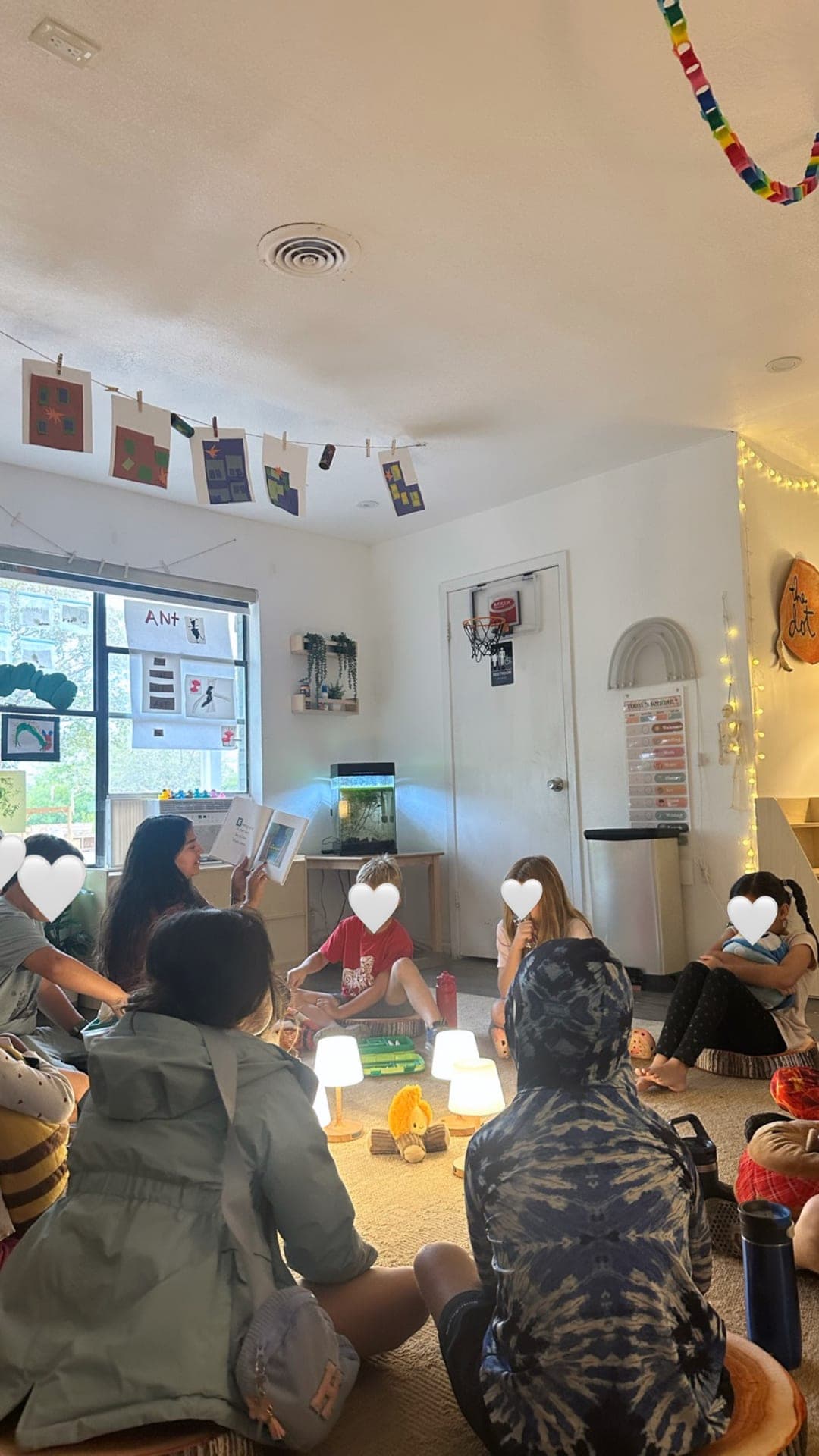
At a small school, there is room for a different rhythm.
Slow might look like:
- Letting a rich conversation continue a little longer
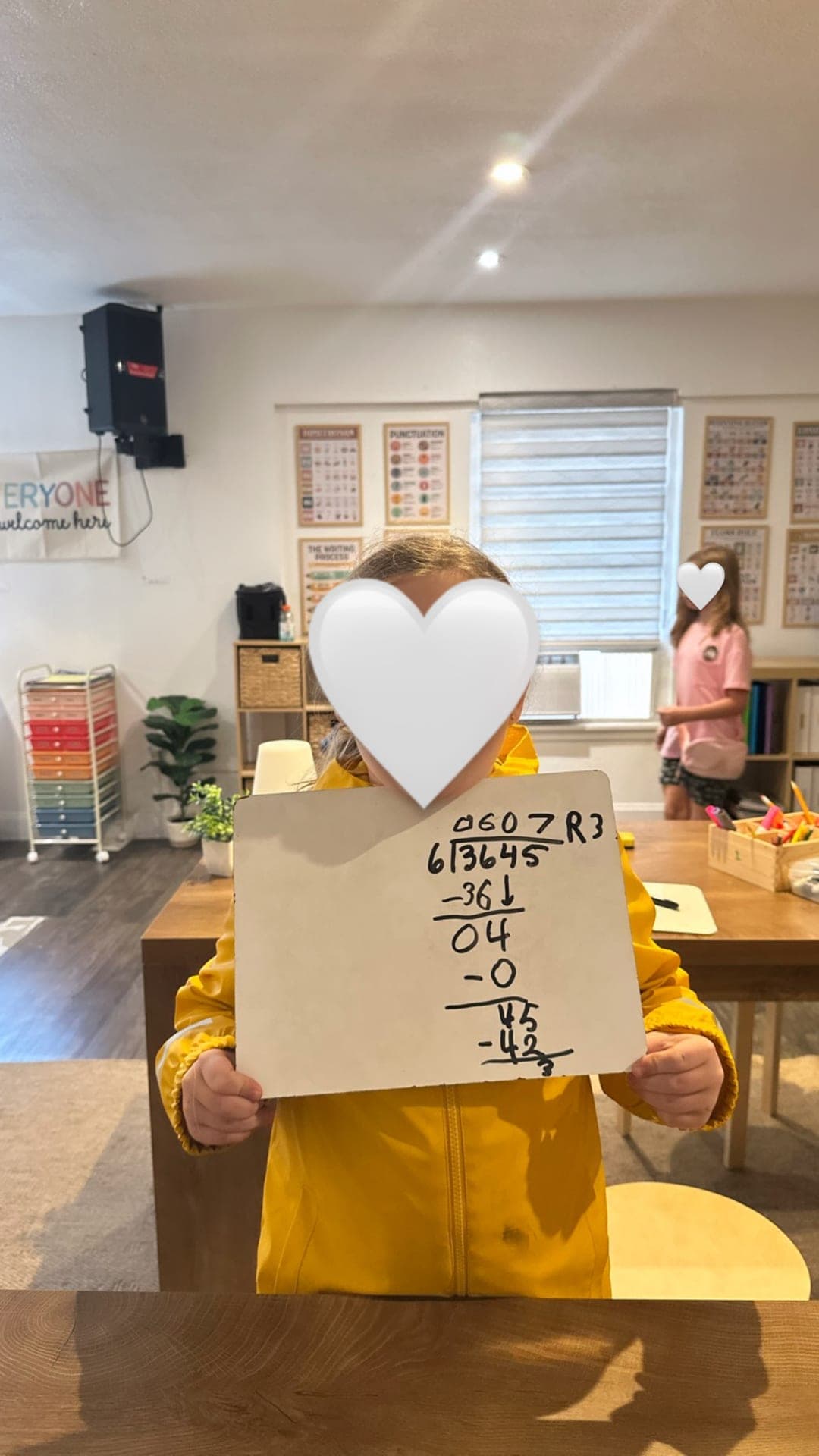
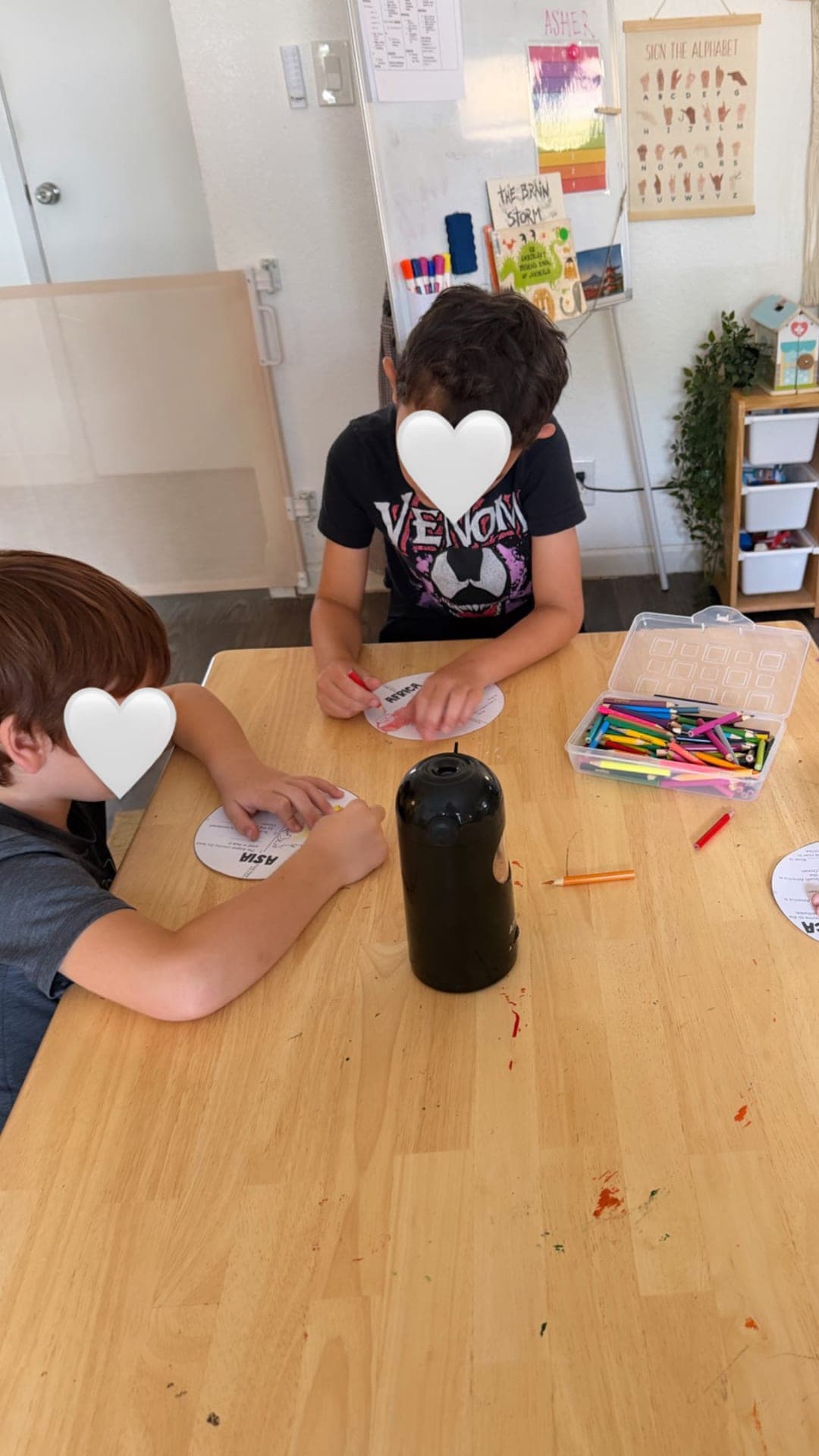
- Giving a child time to finish meaningful work without unnecessary interruption
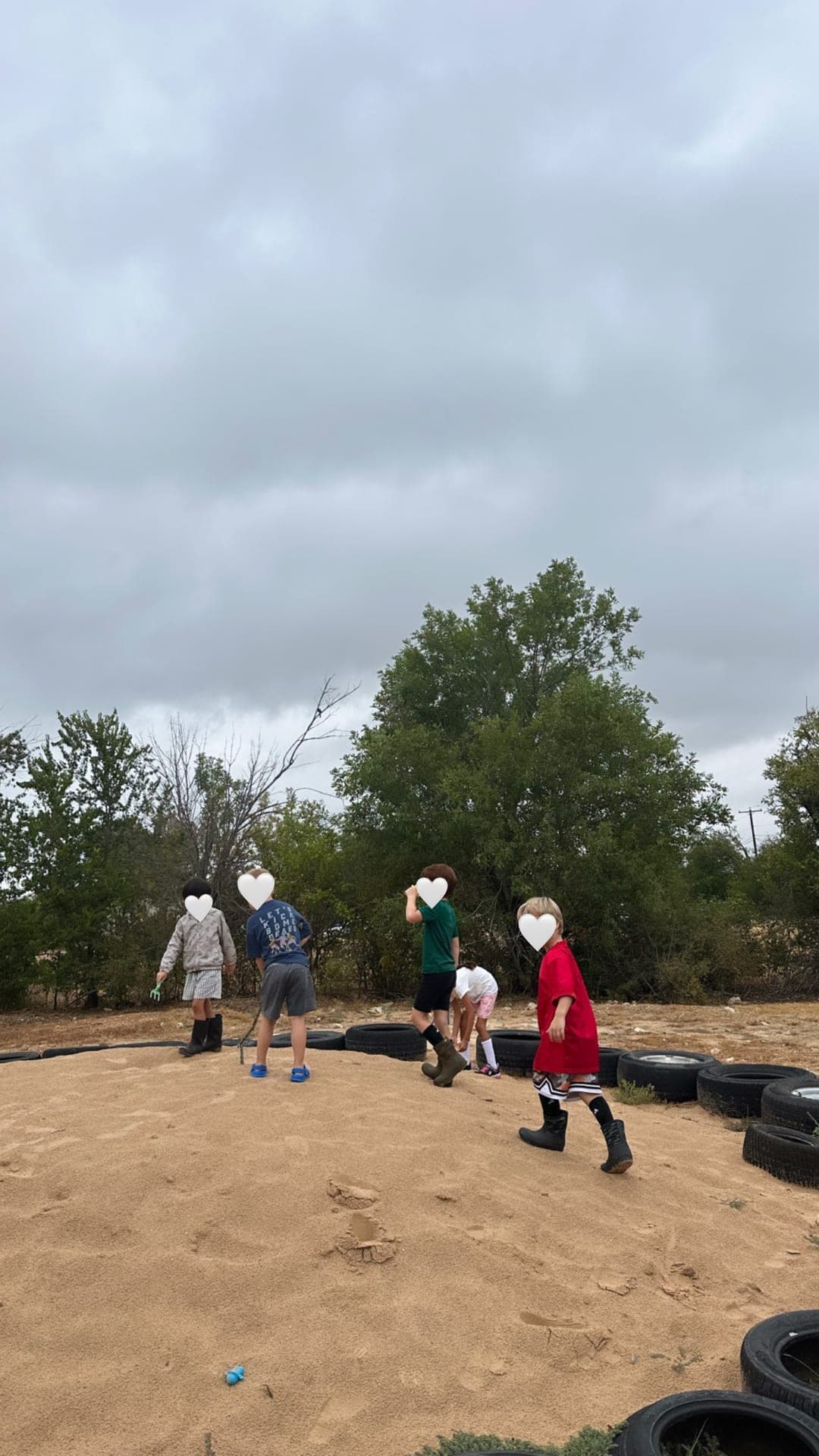
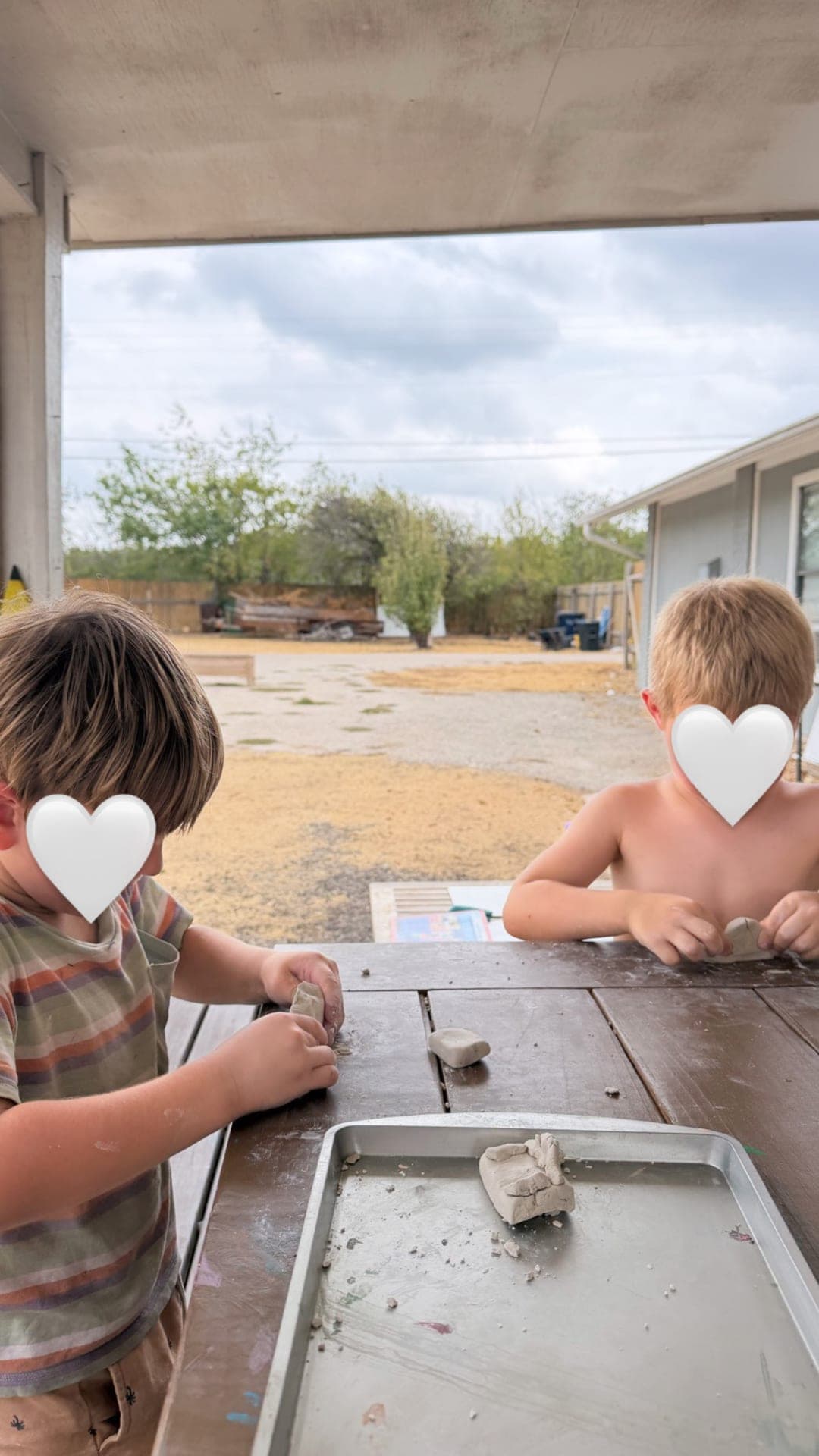
- Staying outside when exploration is leading to real questions and discovery
- Pausing to notice a child’s idea, observation, or breakthrough
- Allowing the schedule to serve the students rather than forcing students to serve the schedule
This kind of pace creates space for children to think more deeply, ask better questions, and stay connected to their own learning.
A More Human Way to Learn
One of the greatest gifts of a small, personalized school is that we can truly know each child. We can respond to who they are, what they need, and how they learn best. We can build an environment that feels calm, connected, and deeply human.
Three weeks in, I am more convinced than ever that education can look different. It can be more connected to nature, more personalized, more joyful, and more human.
We’re still at the beginning of this journey, but I am deeply grateful for the families, students, mentors, and supporters who are helping bring this vision to life.
Don’t miss the goodness.
Looking for a School That Doesn’t Rush Childhood?
If you’re looking for a school where your child can be known deeply, learn at a more human pace, and experience an education rooted in curiosity, nature, and meaningful work, Sage Field may be the right fit.
Sage Field is an outdoor-focused private microschool in Round Rock, Texas, serving ages 4–11. We combine hands-on learning, personalized academics, and a calm, relationship-centered environment that protects the joy of childhood while helping children grow in confidence and capability.